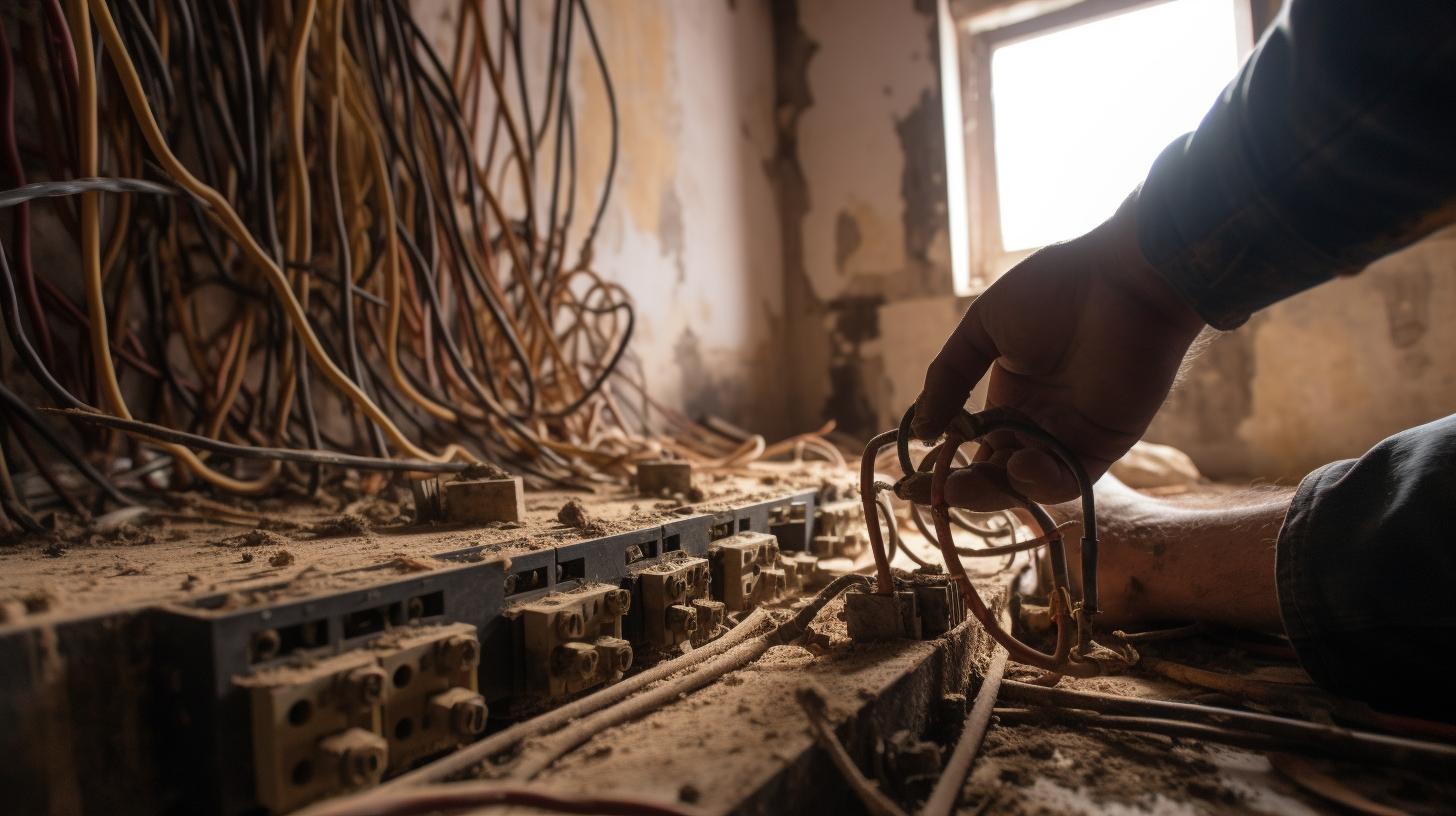
The first sign of an electrical problem is not always dramatic. Sometimes it is a hallway light that flickers when the washing machine starts, a power point that feels unusually warm, or an oven that stops working just as dinner preparations begin. Other times, there is no fault at all—just a home that no longer quite supports the way its occupants live.
In Churton Park, where family routines, home offices and busy kitchens share the same electrical infrastructure, small inconveniences can reveal bigger opportunities. Better lighting can make an entrance more welcoming. Additional power points can remove the daily tangle of extension leads. A carefully planned switchboard upgrade can help prepare a property for changing electrical demands.
For these practical improvements, electrical repairs and safety-related work, a trusted electrician in Churton Park for your home can help you plan the next steps. The best starting point is not necessarily a long shopping list of fittings. It is a clear picture of what your property needs, what feels inconvenient and what deserves professional attention.
Choosing an electrician in Churton Park
Electrical work is largely hidden once it is finished. You see the light fitting, switch or socket, but not necessarily the connections, cable routes and protective devices behind it. That makes choosing an electrician about more than finding someone who can arrive with a ladder and a toolbox.
Look for an appropriately licensed electrical worker who explains the proposed work, identifies any limitations and provides the certification required for the job. In New Zealand, you can check an electrical worker’s licence through the Electrical Workers Registration Board.
For larger projects, electrical contractors may coordinate several workers or stages of work. Residential electricians, meanwhile, bring experience with the particular demands of occupied homes, including access restrictions, household routines and the need to leave work areas safe.
Questions worth asking before booking
A short conversation can make a quotation much more useful. Ask:
- Does the proposed price include fittings, labour and any necessary testing?
- Could access to roof spaces or wall cavities affect the scope?
- Will any circuits need to be switched off during the work?
- What certification will be supplied where required?
- Are there separate call-out charges or after-hours rates?
- Who will handle any making good after access holes are created?
Professional local electricians should be able to discuss these points without making the process feel unnecessarily complicated.
Start With the Things You Notice Every Day
Before arranging an electrical safety check or requesting repairs, walk through your property and note the things that do not work as they should.
Perhaps one bedroom has only a single conveniently placed socket. The front steps may disappear into shadow after sunset. A ceiling fan might wobble, hum or refuse to change speed. These observations give an electrician useful context, even when the eventual cause is not obvious.
Do not remove covers or attempt to investigate wiring yourself. Your role is to describe the symptoms and when they occur.
What an electrical safety check can clarify
An electrical safety check can help identify issues with accessible wiring, fittings, protective devices and other parts of the installation. Its scope should be agreed in advance, particularly where a property has older wiring, previous alterations or areas that are difficult to access.
It can be especially useful when:
- You have recently bought a home and have limited information about past electrical work.
- Renovations have exposed unfamiliar wiring or fittings.
- Circuit breakers trip repeatedly.
- Sockets, switches or light fittings show damage.
- Your household’s electrical use has increased substantially.
A check is not a promise that every concealed issue can be found. It is a practical way to assess visible and testable parts of the installation and decide what needs attention next.
Residential Electrical Upgrades That Earn Their Place
The most worthwhile residential electrical upgrades often solve an ordinary annoyance so thoroughly that you soon forget it existed.
Adding electrical power points near desks, bedside tables and kitchen work areas can reduce reliance on extension leads and multiway adaptors. A well-positioned socket is a small detail, but it can change how comfortably a room functions.
For people running a small business from home, power arrangements deserve particular thought. Computers, monitors, printers and other equipment should be considered together rather than added piecemeal as the business grows.
Give the switchboard a considered review
A residential switchboard installation or upgrade may be appropriate where existing equipment is outdated, damaged, lacks suitable protection or cannot accommodate planned changes.
However, a new switchboard is not automatically the answer to every electrical problem. An electrician needs to assess the installation, expected loads and relevant requirements before recommending a solution.
Ask for an explanation in everyday language. You should understand what the proposed work improves, which existing circuits are affected and whether further work may be needed elsewhere.
Think ahead without overbuilding
If a kitchen renovation, workshop conversion or other substantial change is on the horizon, mention it early. Planning future electrical installation work alongside today’s repairs can help avoid unnecessary duplication.
The aim is not to install equipment simply because it might be useful someday. It is to make sensible decisions while access is available and the overall plan is clear.
House Rewiring Without the Guesswork
House rewiring is a significant project, but it should begin with assessment rather than assumptions. A property’s age alone does not establish the condition of its wiring, particularly if earlier owners have carried out partial upgrades.
Warning signs such as damaged fittings, repeated faults or evidence of unsuitable past alterations warrant investigation. Testing and inspection help determine whether a localised repair, partial rewiring or more extensive work is appropriate.
Plan around the household
Where substantial rewiring is recommended, discuss the practical implications before work starts. Useful questions include which rooms need access, how furniture should be moved and whether electricity will be unavailable for particular periods.
A written scope should distinguish electrical work from decorating or building repairs. Chasing cables through walls or reaching concealed spaces can involve disruption, so clarity matters as much as the finished result.
For an occupied Wellington home, a realistic schedule is often more valuable than an optimistic promise.
Lighting That Makes Home Feel Better
Lighting affects how a room feels, but it also shapes how safely and easily people move through a property.
An interior lighting electrician can help balance general illumination with task lighting for cooking, reading and working. Rather than placing the brightest possible fitting in every room, consider what each space actually needs.
A kitchen, for example, benefits from light falling onto preparation surfaces rather than being blocked by the person standing at the bench.
Make entrances and outdoor areas easier to use
An exterior lighting electrician can assess paths, steps, entrances and outdoor living areas. Wellington’s exposed conditions make suitable equipment, positioning and installation particularly important.
Security lighting also needs restraint. Poorly aimed lights can create glare, disturb neighbours and leave surrounding areas harder to see. A security lights electrician can help with placement and sensor settings so illumination is useful rather than intrusive.
Consider:
- Clear lighting at changes in level.
- Convenient illumination around doors and gates.
- Sensor coverage that suits normal movement.
- Fittings appropriate for their exposure to weather.
- Light directed where it is needed, not into neighbouring windows.
Kitchens and Appliances Need Proper Planning
A new oven is an exciting purchase until installation day reveals that the existing connection is unsuitable.
Before ordering, check the appliance specifications and ask whether the current electrical supply can support it. Oven installation may require more than a straightforward replacement, depending on the appliance and existing circuit.
A kitchen electrician can also help coordinate power points, lighting and electrical appliance installation during a renovation. Early planning is particularly useful where cabinetry will restrict access later.
Do not overlook ventilation and moving parts
Ceiling fan installation requires a suitable location and secure support, as well as appropriate electrical connections. Position matters for both comfort and safe clearance.
For an existing fan, ceiling fan repair may be worth investigating if it makes unusual noises, wobbles or operates inconsistently. Stop using a visibly unstable or damaged fan until it has been assessed. Do not assume that tightening an accessible screw will address the underlying issue.
Smoke Alarms Deserve More Than a Passing Thought
A home smoke alarm is easy to forget because it spends most of its life quietly waiting. That is precisely why checking it needs to become a habit.
Follow the manufacturer’s testing, cleaning and replacement instructions. Requirements vary with the property and situation, including whether it is a rental or undergoing building work.
A smoke alarm electrician can advise on electrically connected alarms and suitable arrangements where installation or replacement work is needed. If you are uncertain about coverage or the condition of existing units, ask for an assessment rather than relying on a single alarm’s presence.
Never disable an alarm simply because it becomes inconvenient. Address the cause of nuisance activation with appropriate advice.
After Hours Help When Something Cannot Wait
Electrical problems rarely respect the household calendar. A loss of power to essential equipment, a damaged fitting or signs of overheating may require help outside normal working hours.
People searching for a “24 7” or “24 hr” emergency electrician are usually looking for immediate reassurance as much as technical assistance. However, emergency and after-hours availability should always be confirmed directly. Ask Local Wellington Electrician about current response arrangements, coverage in Churton Park and any applicable charges.
Know when to step back
If you notice smoke, sparking, a burning smell or a dangerously hot electrical fitting, keep people away. Do not touch damaged equipment or attempt repairs. Isolate the affected supply only if it is safe to do so.
For fire or immediate danger, leave the area and call 111. Treat fallen power lines as live and stay well clear.
If the power goes out without obvious danger, check whether neighbours are affected and consult your electricity network’s outage information. A wider supply interruption may not be a fault inside your property.
Frequently Asked Questions
Can several small electrical jobs be handled together?
Often, yes. Prepare a room-by-room list of repairs and improvements before requesting a booking. Combining jobs may make the visit more efficient, although timing depends on access, materials and the work involved.
Does a tripping circuit always mean rewiring is necessary?
No. Tripping can have several causes, including an appliance fault, overload or a wiring issue. An electrician needs to investigate rather than assume that the entire circuit requires replacement.
Should I buy light fittings before speaking to an electrician?
It is usually worth checking suitability first. Bathroom locations, outdoor exposure, dimmer compatibility and installation clearances can all affect the choice.
What information helps with an urgent call?
Describe what happened, which areas are affected and whether there is heat, smoke, noise or visible damage. Provide your address and follow the electrician’s safety advice without attempting to recreate the fault.
Make the Next Improvement a Safer One
A comfortable home depends on electrical systems that work quietly in the background. When those systems become unreliable, inconvenient or poorly suited to daily life, professional attention can make a meaningful difference.
Whether you need a repair, better outdoor lighting, an appliance connection or a considered upgrade, start with clear observations and a conversation about scope. Local Wellington Electrician is a practical company to contact about electrical work in Wellington, with availability and job requirements confirmed directly.
The next step need not be a major renovation. It might simply be fixing the fault you have been putting off—and making the rest of the week a little easier.